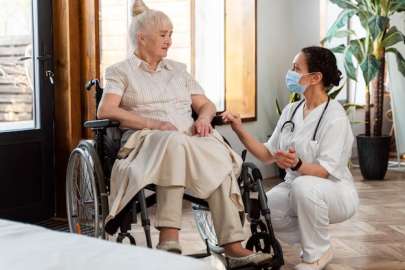
Caring for an aging loved one is never easy—especially when you start noticing small changes in their daily routine. What begins as minor forgetfulness or occasional fatigue can gradually turn into a need for consistent support.
Many families in Nashua face the same question: “Is it time to consider professional help?”
Recognizing the early signs can make all the difference. With the right support, seniors can continue living safely and comfortably at home while maintaining their independence.
Here are seven key signs that it may be time to consider in-home services in Nashua.
1. Difficulty Managing Daily Activities
If your loved one is struggling with basic tasks like:
- Bathing
- Dressing
- Cooking
- Cleaning
…it may be a sign they need extra support.
In-home services provide assistance with these everyday activities, helping seniors maintain dignity while staying in a familiar environment.
2. Noticeable Decline in Personal Hygiene
A sudden change in hygiene habits—such as wearing the same clothes repeatedly or avoiding bathing—can indicate physical limitations or even cognitive decline.
Professional caregivers can gently assist with personal care, ensuring your loved one stays clean, comfortable, and confident.
3. Increased Forgetfulness or Confusion
Occasional forgetfulness is normal, but frequent confusion—like missing medications, forgetting appointments, or getting lost—can be concerning.
In-home care providers help with:
- Medication reminders
- Daily routines
- Cognitive support
This reduces risks and brings peace of mind to families.
4. Mobility Issues or Frequent Falls
Have you noticed your loved one:
- Struggling to walk
- Holding onto furniture for support
- Experiencing recent falls
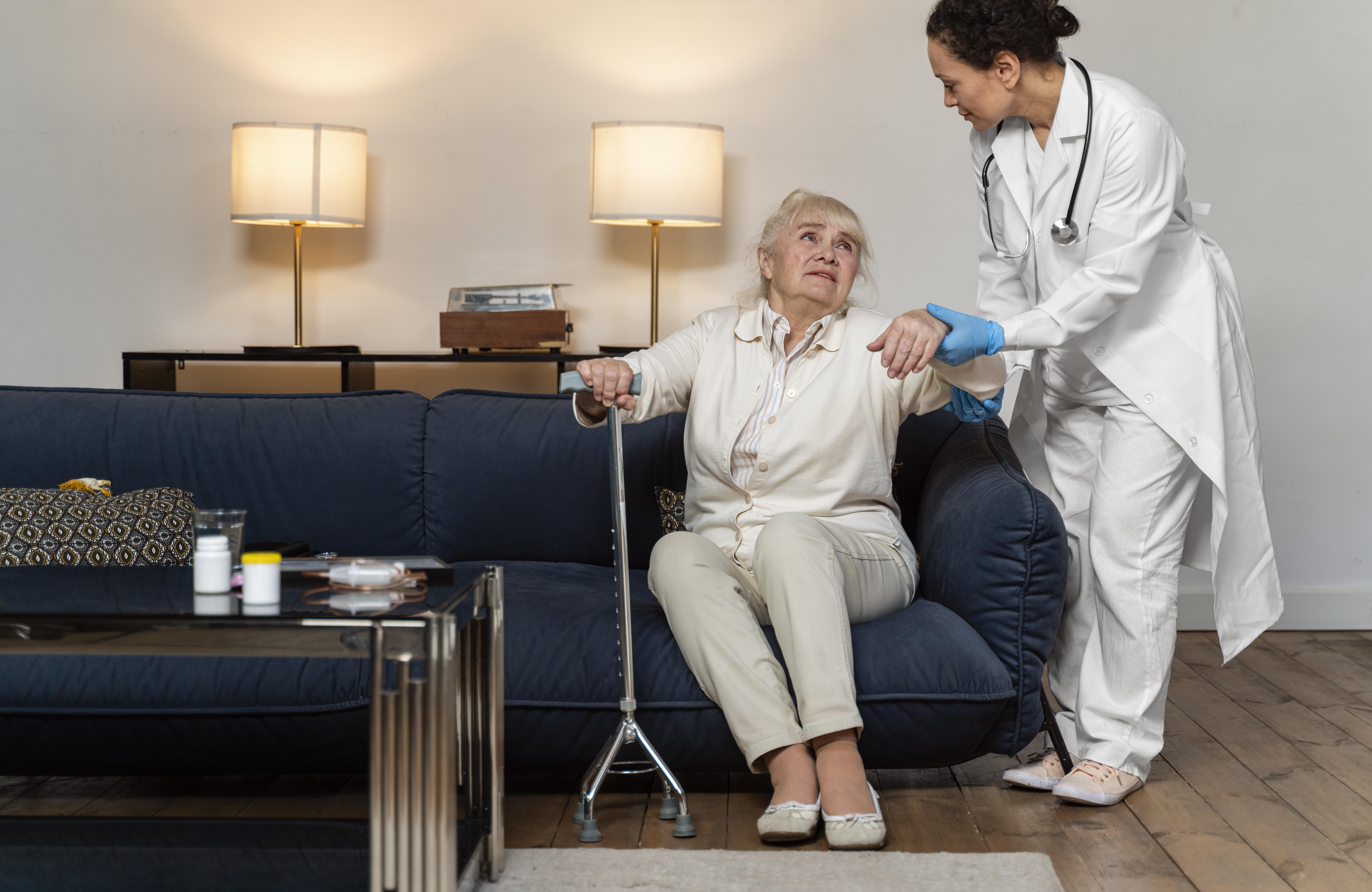
Mobility challenges are one of the biggest reasons families seek elderly home care in Nashua. Caregivers can assist with movement and help prevent accidents before they happen.
5. Isolation or Withdrawal from Social Activities
Seniors who once enjoyed socializing may begin to withdraw due to loneliness, depression, or physical limitations.
In-home caregivers not only provide physical support but also companionship—helping seniors stay engaged, emotionally connected, and mentally active.
6. Caregiver Burnout in the Family
Family caregivers often take on a lot—balancing work, personal life, and caregiving responsibilities. Over time, this can lead to stress, exhaustion, and burnout.
Respite care for seniors in Nashua offers temporary relief, allowing family members to rest and recharge while ensuring their loved one continues to receive quality care.
7. Worsening Medical Conditions
Chronic illnesses or recovery after surgery often require more attention than family members can provide alone.
Home care nursing in Nashua can support:
- Medication management
- Monitoring health conditions
- Post-hospital recovery
This ensures your loved one receives the right level of care without leaving home.
Why Families in Nashua Are Choosing In-Home Services
More families today are turning to in-home assisted living in Nashua because it offers:
- Personalized care plans
- Comfort of home
- Greater independence
- One-on-one attention
It’s not just about care—it’s about improving quality of life.
When Should You Take Action?
If you’ve noticed one or more of these signs, it may be time to explore your options. Acting early can prevent small challenges from becoming serious problems.
The good news? You don’t have to figure it out alone.
Final Thoughts
Recognizing the need for help is not a sign of failure—it’s a step toward better care and safety for your loved one. In-home care services provide the support seniors need while allowing them to age with dignity in the place they love most.
FAQs
How do I know if my loved one needs in-home care?
Look for signs like difficulty with daily tasks, memory issues, mobility problems, or increased isolation.
What services are included in in-home care in Nashua?
Services can include personal care, companionship, medication reminders, and skilled nursing support.
Can in-home care be customized?
Yes, care plans are tailored based on individual needs, schedules, and health conditions.
Is in-home care better than assisted living?
For many seniors, staying at home offers more comfort and independence, making it a preferred choice.