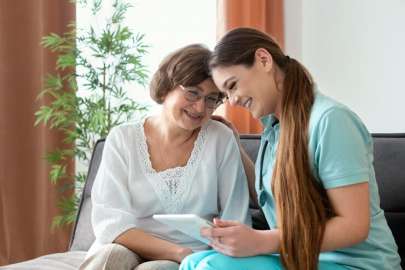
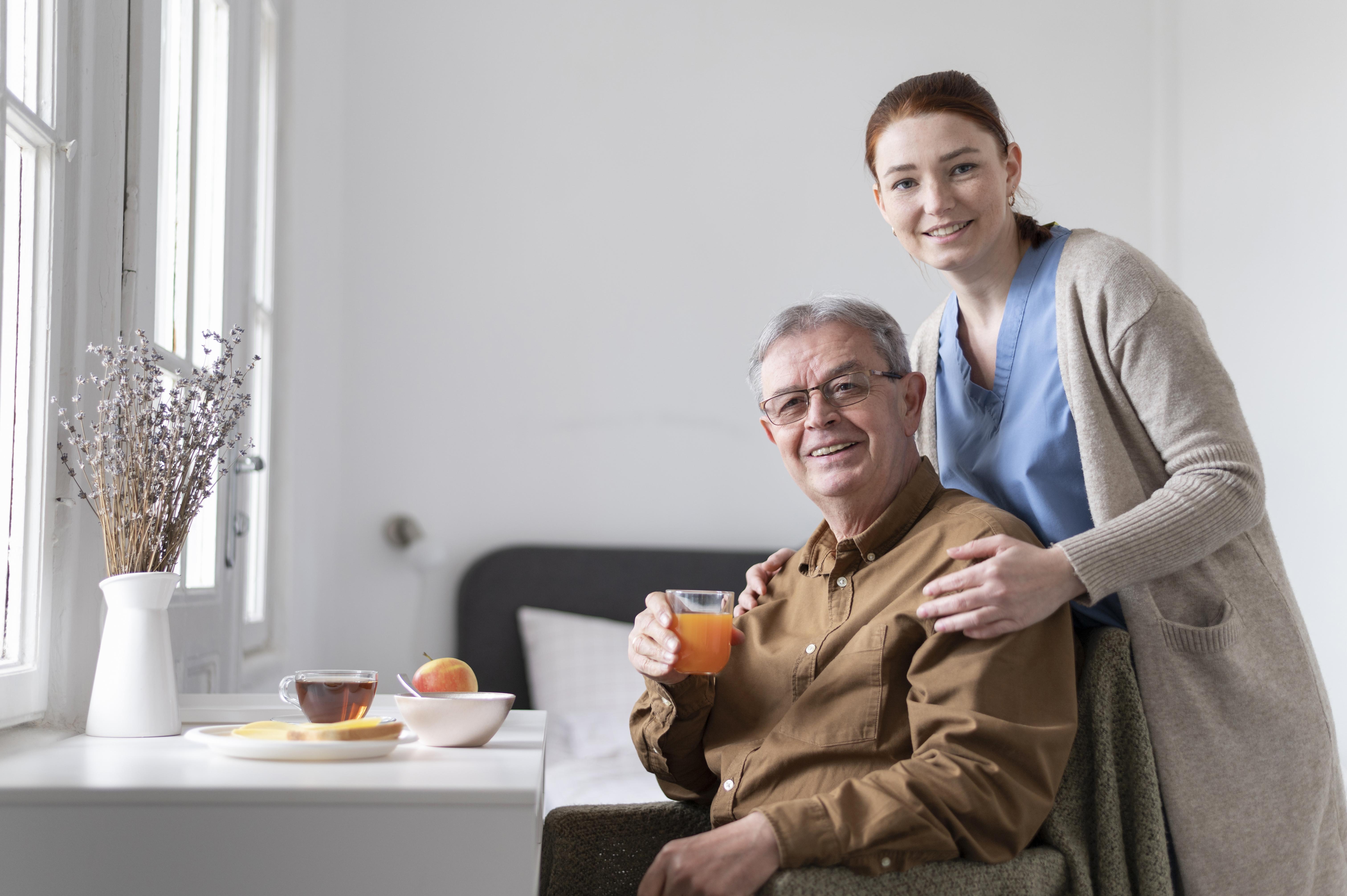
Picture this: your mother waking up in her own bed to the smell of her favorite coffee brewing. Her caregiver arrives, not in a rush, but ready to spend quality time – helping her dress, eat, and share stories about the grandkids. There’s no sterile hallway, no noisy cafeteria. Just home – peaceful, familiar, and filled with dignity.
More families are discovering the lasting value of home care for elderly in their own homes and it’s not just a convenient alternative. It’s a deeply personal, empowering choice that allows aging adults to stay connected to their identity, routines, and independence while receiving the care they need.
This isn’t just a nice idea. It’s the new standard in elder care and it’s here to stay.
More Families Are Saying “Yes” to Staying Home
There was a time when growing older almost automatically meant moving into a nursing facility. But times have changed. Families today are rethinking what aging should look and feel like. And for many, the answer is simple: Let’s keep parents at home.
Why? Because home is more than just four walls, it’s memories, freedom, and comfort. It’s where seniors feel most themselves.
The Real Benefits of In-Home Care
Families these days are aware of how home care can transform daily life not just for seniors, but for those who love and support them. It’s about more than convenience. It’s about quality of life.
Here’s why this approach to elder care is gaining ground:
Familiarity Heals
There’s a quiet strength in waking up in your own bed, in a space filled with cherished memories. Being surrounded by personal belongings, pets, and a familiar routine provides emotional stability and comfort that institutional settings often lack.
Meaningful One-on-One Attention
Unlike facility care, in-home care is tailored to the individual. Caregivers can build deep, trusted relationships – offering not just help, but companionship, consistency, and emotional support.
Independence Matters
In their own homes, seniors have the freedom to maintain control over their day: what they eat, when they rest, how they spend their time. This autonomy plays a key role in sustaining mental wellness, self-esteem, and a sense of purpose.
Safety Without Sacrificing Comfort
With the right precautions – like mobility aids, medication management, and home modifications – seniors can remain safe at home without giving up the peace and warmth that comes with living in familiar surroundings.
Beyond a Trend: A Cultural Shift in Aging
Calling home care a trend misses the bigger picture. What we’re seeing is a deep cultural change – one rooted in how we view aging, independence, and dignity.
People are living longer, and they want those extra years to count. Today’s seniors seek meaningful connection, continued contribution, and proximity to the people and places they love. Elderly companion care services make that vision possible.
From evolving technologies to flexible home care services that adapt to complex needs, the landscape of elder care is evolving rapidly. The result? More options, better outcomes, and greater quality of life, all without leaving home.
The bottom line: Quality assistance in home care in Maine isn’t a passing trend; it’s a thoughtful, effective, and compassionate way to care for those who once cared for us.